The Creative Mind Doesn’t Arrive as a Prompt
Speaking into AI tools changed how I edit film. I’m exploring what the faster loop between thought, voice and production could mean for creatives.
Read the piece ↗Essays on how AI changes creative capability, roles, organisations and audiences.
Speaking into AI tools changed how I edit film. I’m exploring what the faster loop between thought, voice and production could mean for creatives.
Read the piece ↗
What happens when a brand character remembers you, tells stories with you and gives advice—even when a rival makes the better product?
Read the piece ↗
I think names such as assistant, copilot and agent can preserve old creative roles. What if we named the new possibilities for people instead?
Read the piece ↗
I want creative teams to turn pitch ideas into work people can feel before tools, time and budget close the door. AI agents could help.
Read the piece ↗
Everyone called Meta removing a Muse Image feature an ethics win. A creative director’s take: it wasn’t unethical — it was bad. We use “ethics” to avoid talking about taste.
Read the piece ↗
Why thirty years of film experience taught me that the secret to "real" AI is making it look crappier. A deep dive into the beauty paradox and the architecture of imperfection.
Read the piece ↗
The metaverse failed because it was a destination. What’s replacing it is ambient: AI systems that understand the world and layer experience into reality, not outside it. A strategic essay on why “places” died, why world-aware AI wins, and why mental integrity becomes the next battleground.
Read the piece ↗
PixVerse-R1 is the industrial engine for the Neuro-Narrative Age. A deep dive into the 1080P real-time response engine and the move from video clips to infinite, stateful simulations.
Read the piece ↗
From Storytelling to Storyliving. A 2,000-word deep dive into the Neuro-Narrative age, where AI-driven "Game Masters," BCI interfaces, and cloud-native XR dissolve the screen into an adaptive, multisensory reality.
Read the piece ↗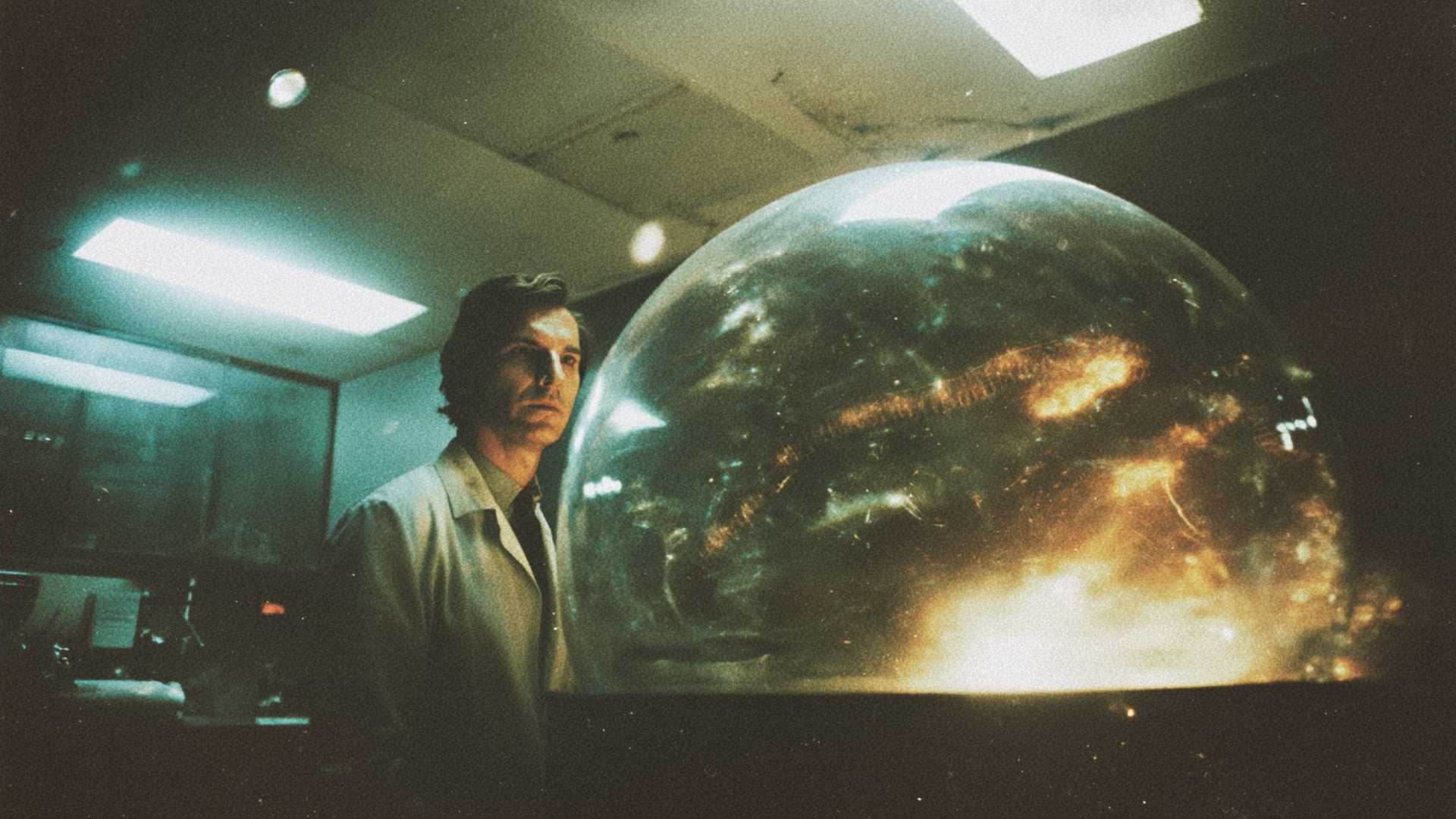
In the era of infinite generation, "Explainer Videos" are no longer enough. Discover how B2B brands are using the Micro-Mega format and Psychological Alchemy to turn technical data into cinematic appointments.
Read the piece ↗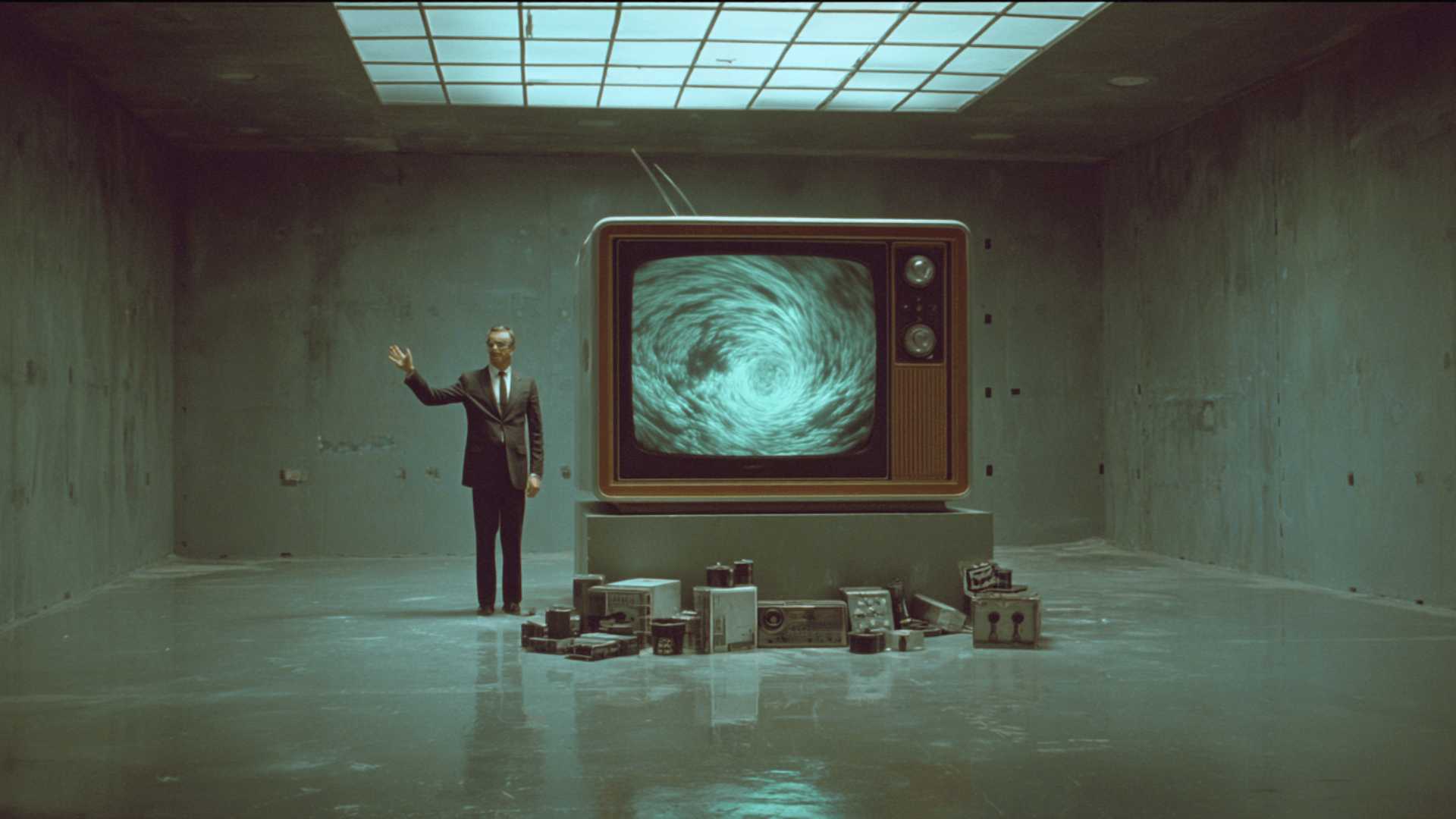
Content spend has plateaued. Discover why the future of agency value lies in "Temporal Architecture"—the high-level strategy of modernising legacy IP for 2026.
Read the piece ↗
Photorealism is solved. I think the next phase of generative video is about directing emotion, not just rendering a convincing face.
Read the piece ↗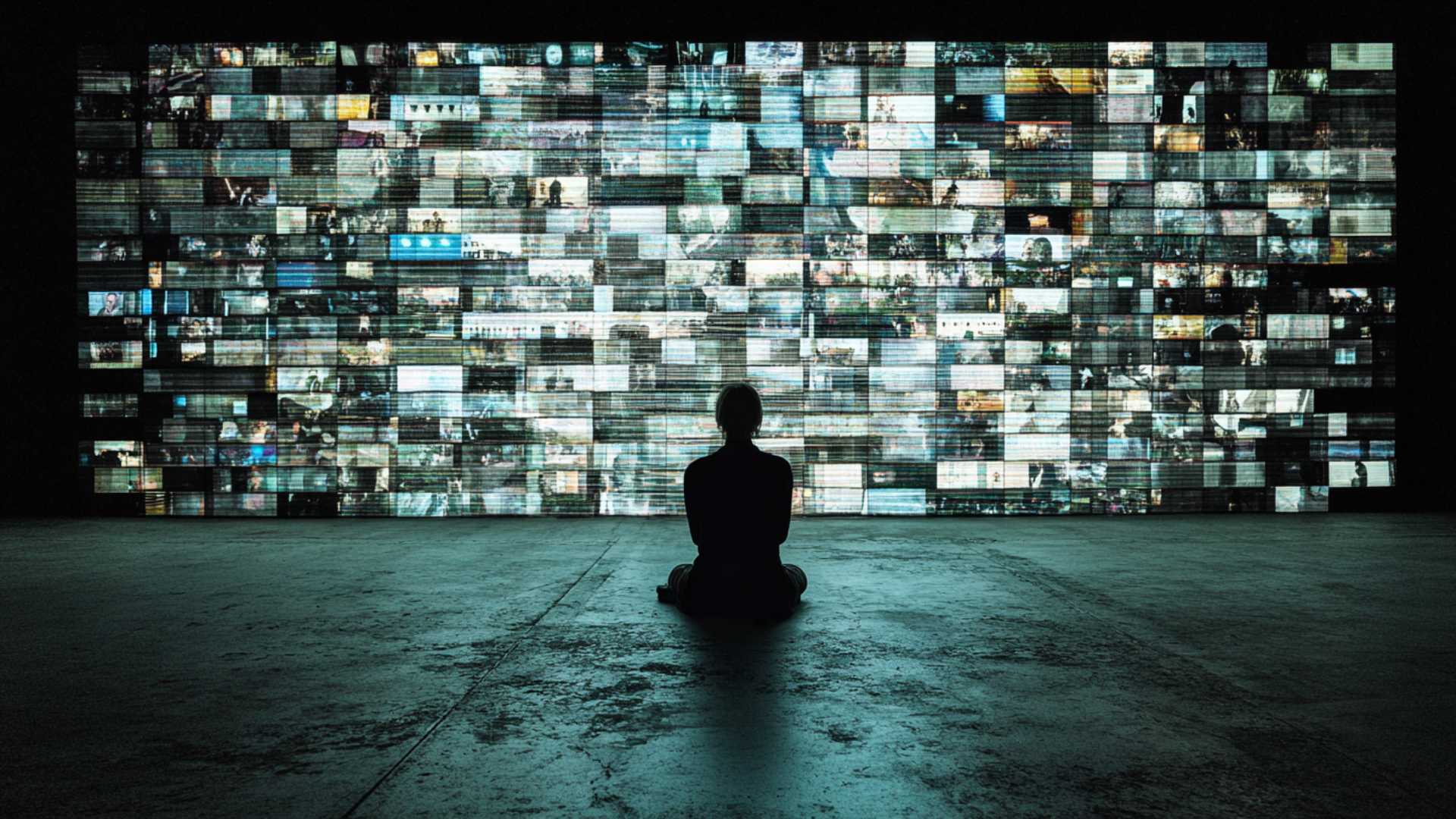
In the era of the Global Content Reset, the ability to generate pixels is no longer a competitive advantage. Inspired by the psychological frameworks of Aron Hosie and Rory Sutherland, we explore the move from "Production" to "Creative Recovery." Discover how the Micro-Mega Format is turning "dead" archives into the only high-value currency that matters: Earned Attention.
Read the piece ↗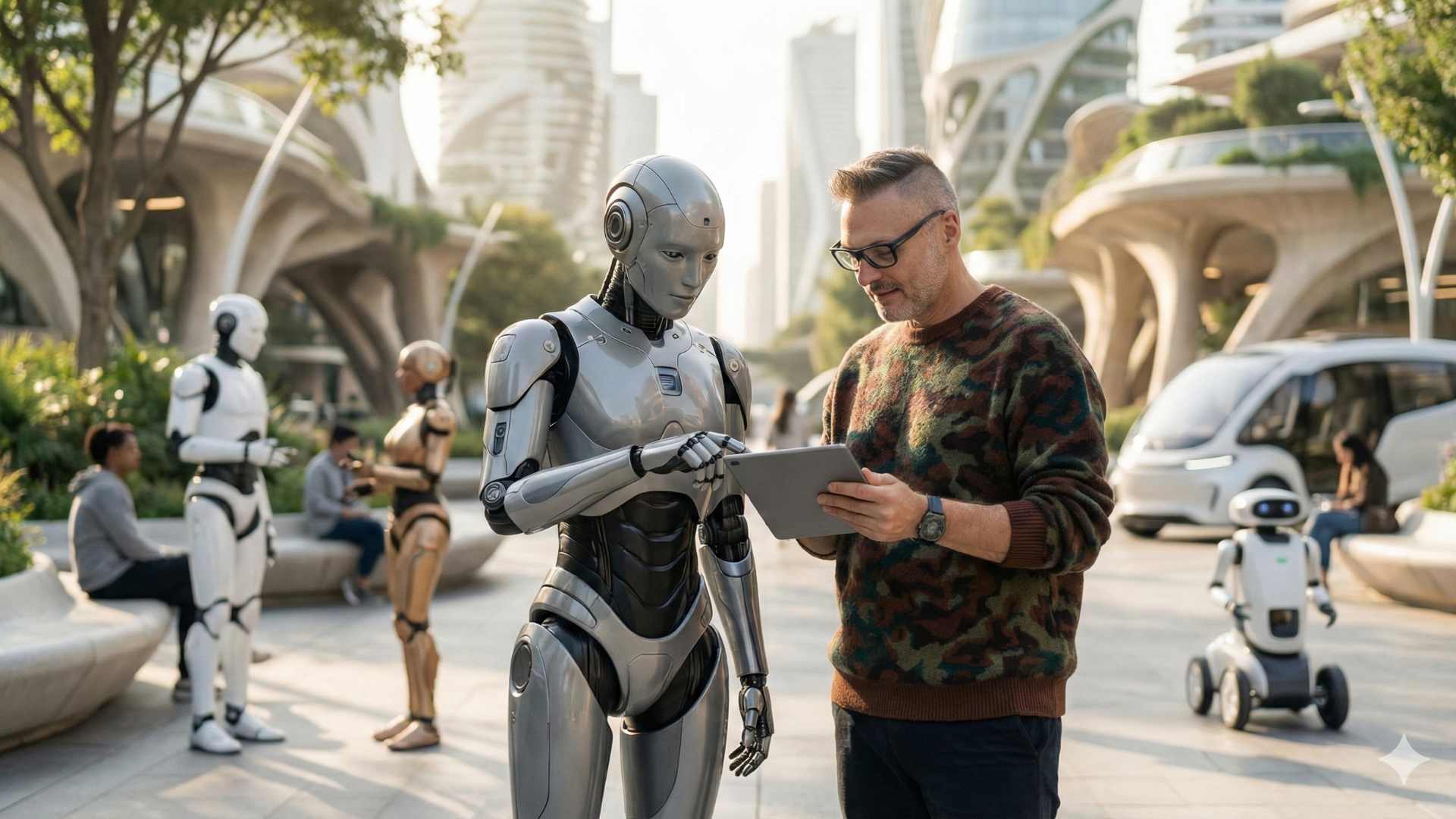
As AI makes creation effortless, meaning becomes harder to earn. A perspective on creativity, authorship, and what audiences still respond to.
Read the piece ↗