

The Authenticity Paradox: Why I’m Making my AI Footage Crappier
Why thirty years of film experience taught me that the secret to "real" AI is making it look crappier. A deep dive into the beauty paradox and the architecture of imperfection.
Why thirty years of film experience taught me that the secret to "real" AI is making it look crappier. A deep dive into the beauty paradox and the architecture of imperfection.
Why I am forcing my £7,000 computer to make garbage.
A major client looked me in the eye last week and gave me the strangest brief of my thirty-year career.
"Make it look real. Make it look... worse."
For three decades, my job has been the exact opposite.
I am a creative director. My entire industry is built on a foundation of expensive lies. We spend millions beautifying, filtering, and lighting the human form until it looks like a god.
From the soft-glow lenses of Old Hollywood to the aggressive "pore-killer" filters of TikTok, we have been running away from reality as fast as technology allows.
But now, we have hit a wall.
AI can generate a human with mathematical perfection. And you hate it.
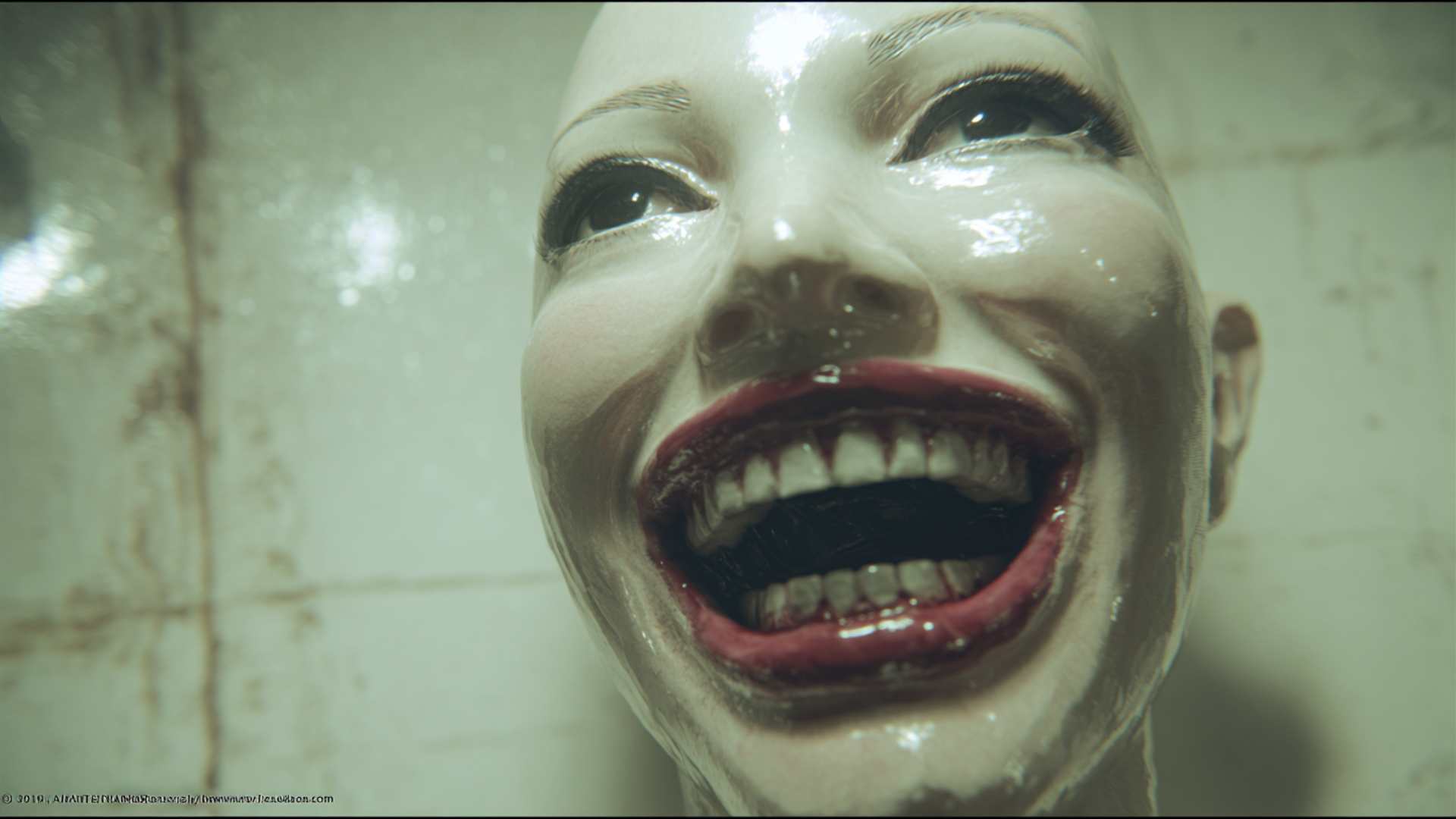
You look at it and your skin crawls. You call it "AI Slop."
But here is the uncomfortable truth:
The AI isn't failing. It’s holding up a mirror.
It learned from the world we created—a fake, airbrushed, hyper-stylized hallucination. If you feed a machine 100 years of curated perfection, it’s going to spit out a plastic soul.
To find the human in the machine, I had to do something that goes against every instinct I have as a filmmaker.
I had to break the lens.
Critics say AI art looks "fake."
This assumes human art was ever "real."
Let’s stop pretending. We have been lying to ourselves since the first guy picked up a paintbrush.
Look at Botticelli’s The Birth of Venus. It’s a masterpiece. It’s also a biological disaster. Her neck is too long. Her shoulders are broken. Her stance defies gravity.
Botticelli didn't paint a woman. He painted a mutant. He painted an icon.
Cinema just industrialized the lie.
We invented three-point lighting to make actors look like angels. We invented film stock that hid blemishes.
We trained you to believe that the "Camera Eye" is reality.
But the camera is a liar.
The Camera: Glides on a Steadicam. Seeing everything in perfect 8K focus.
Your Eye: Bounces when you walk. Blurs the edges. Misses the details.
AI was trained on the camera, not the eye. That’s why AI video feels like a fever dream. It’s too smooth. It’s too perfect. It’s the Uncanny Valley of "Cinema Logic."
I sat in a London hotel room recently with a challenge: Kill the polish.
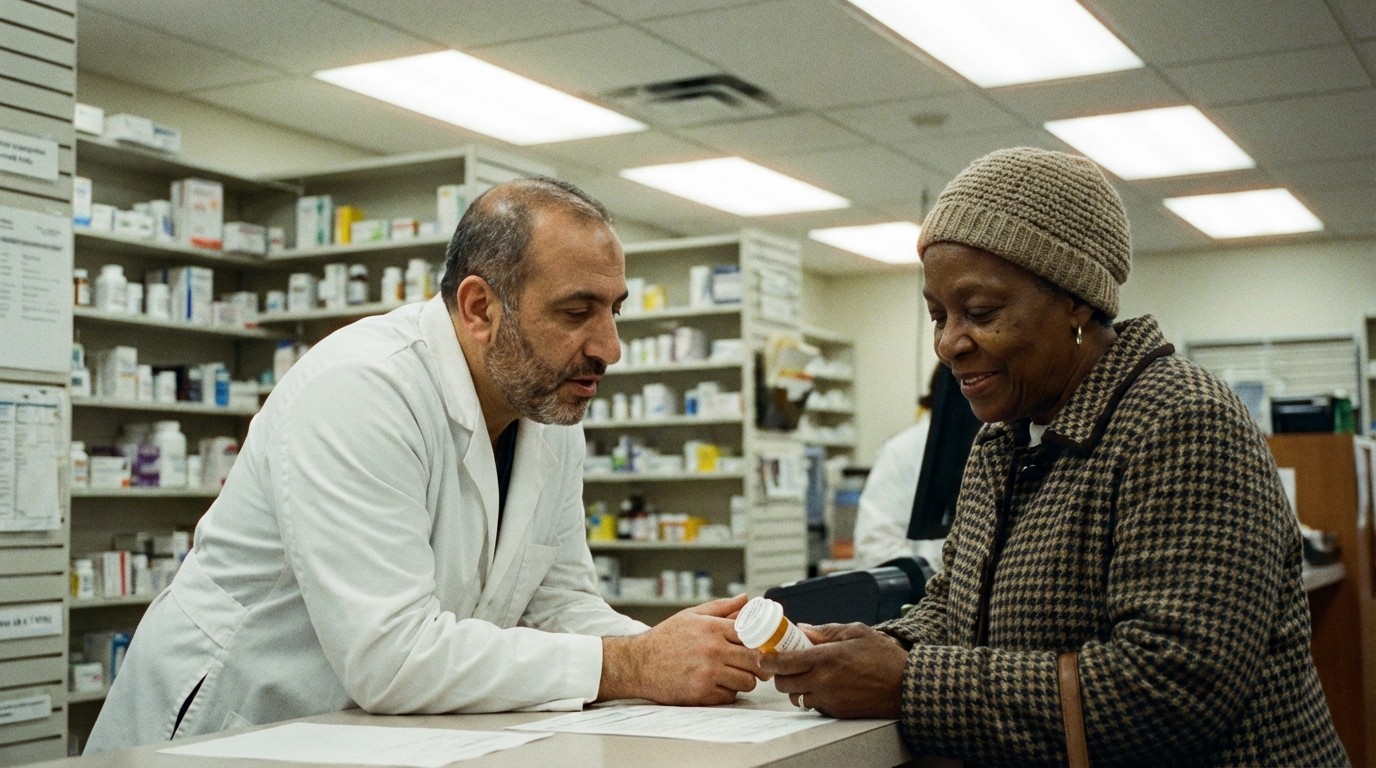
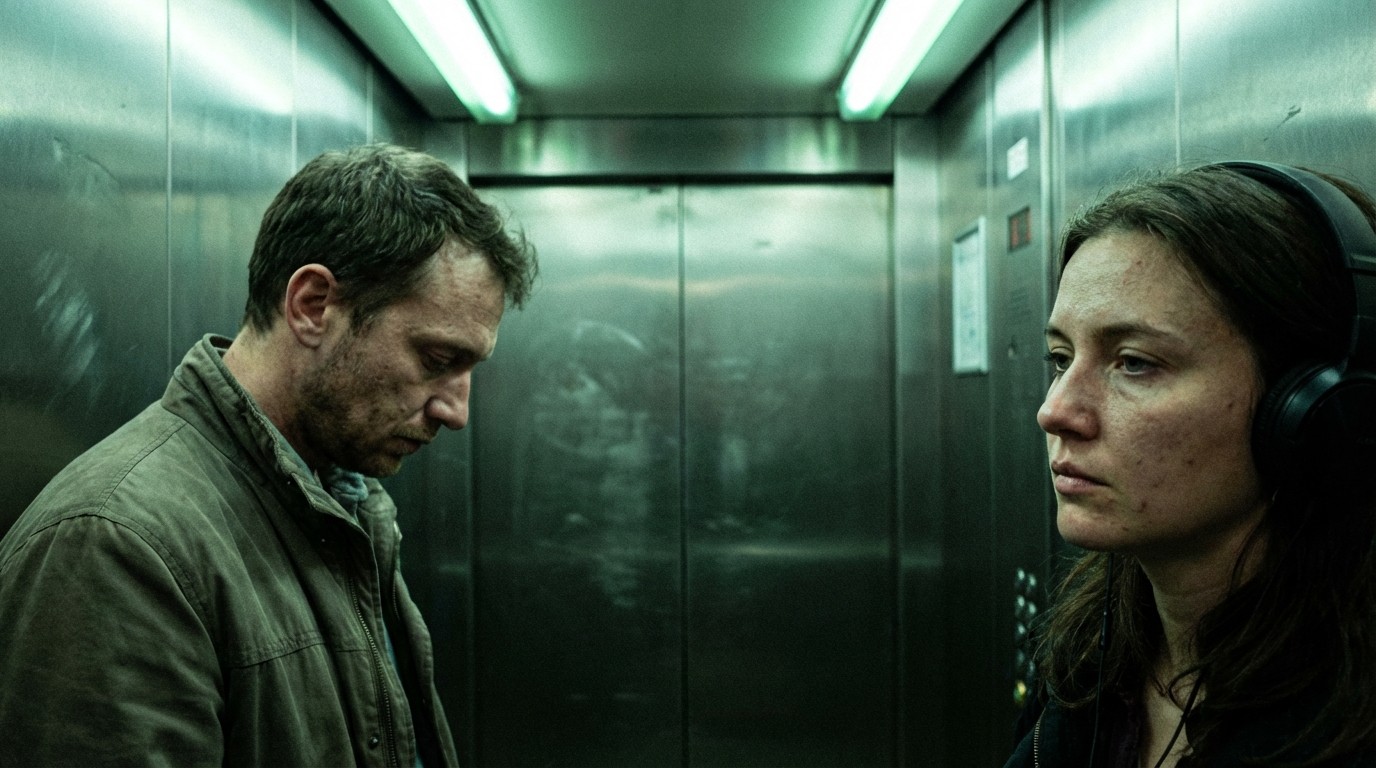
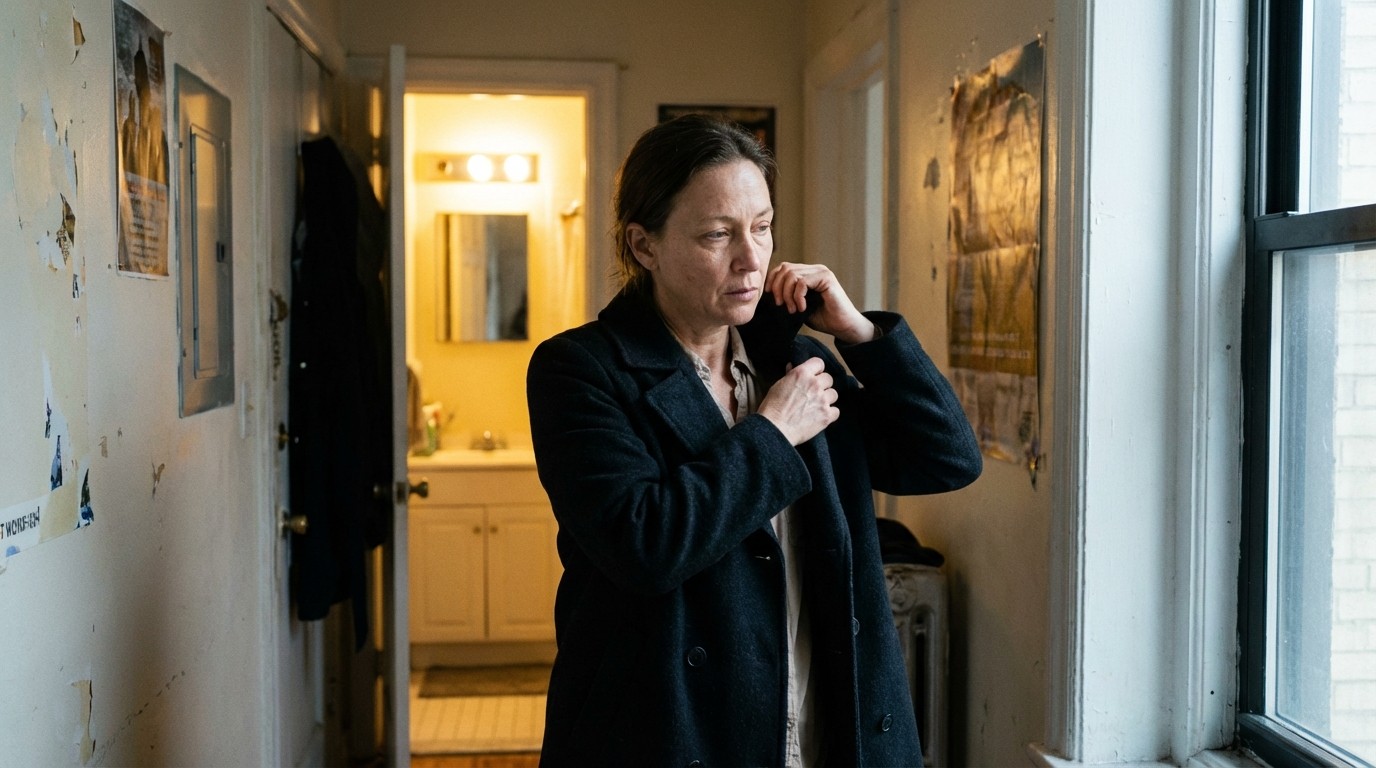
I wanted to make an AI human that didn't look like a sci-fi character. I wanted it to look like a person you’d ignore on the subway.
I fired up the generator. But this time, I ignored the lighting tools. I ignored the "Cinematic" prompts.
I went to war with the machine.
I added the shake. Humans don't glide. I made the camera stumble.
I ruined the audio. Crisp sound is a dead giveaway. I layered in wind noise and muffled street sounds.
I killed the music. Life doesn't have a soundtrack.
I chose the wrong lens. Cinematic lenses compress faces to make them pretty. I chose a 50mm lens—the "boring" lens. The human lens.
The result?
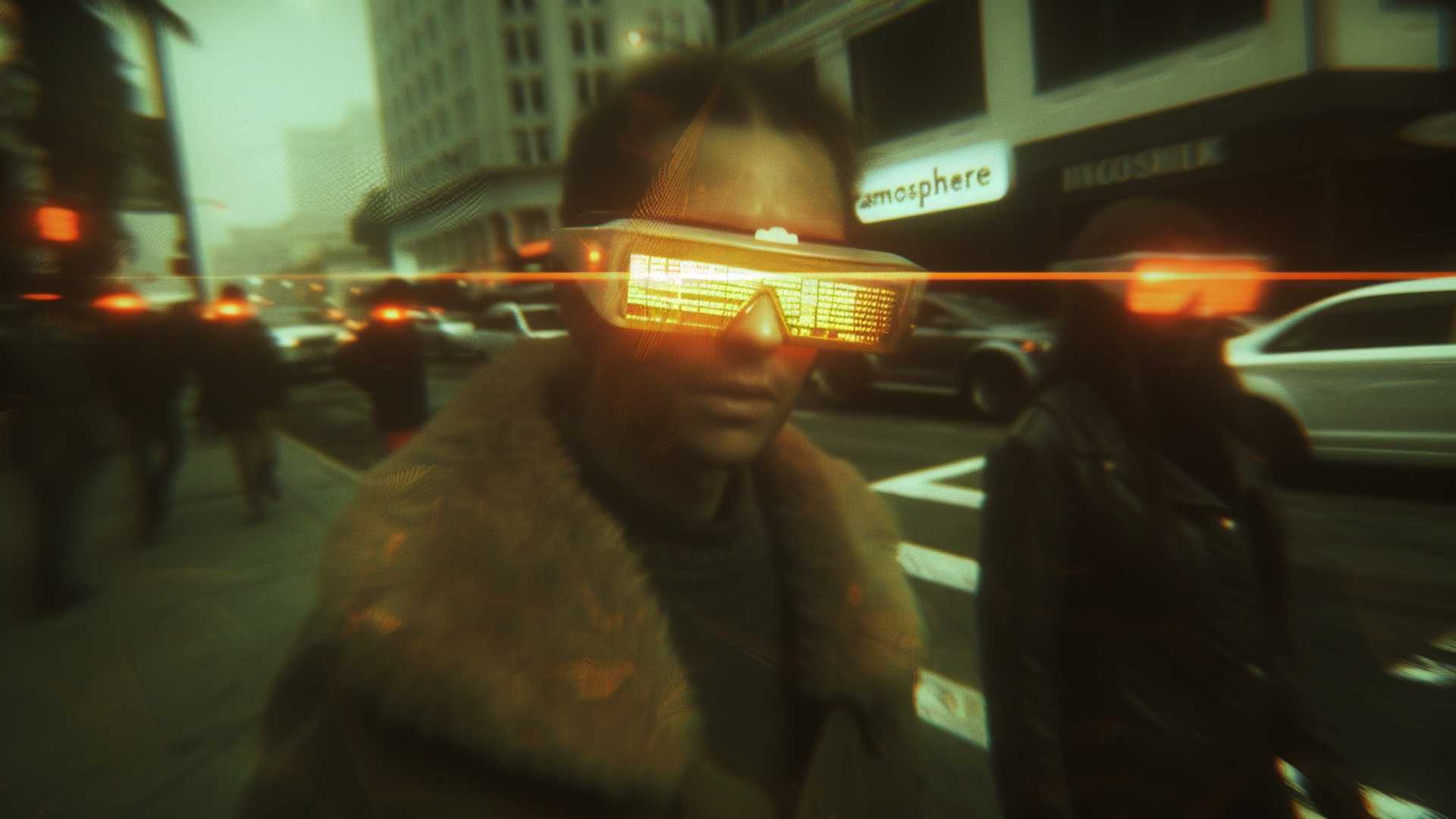
A sixty-second clip called "A walk around town with my AI Camera."
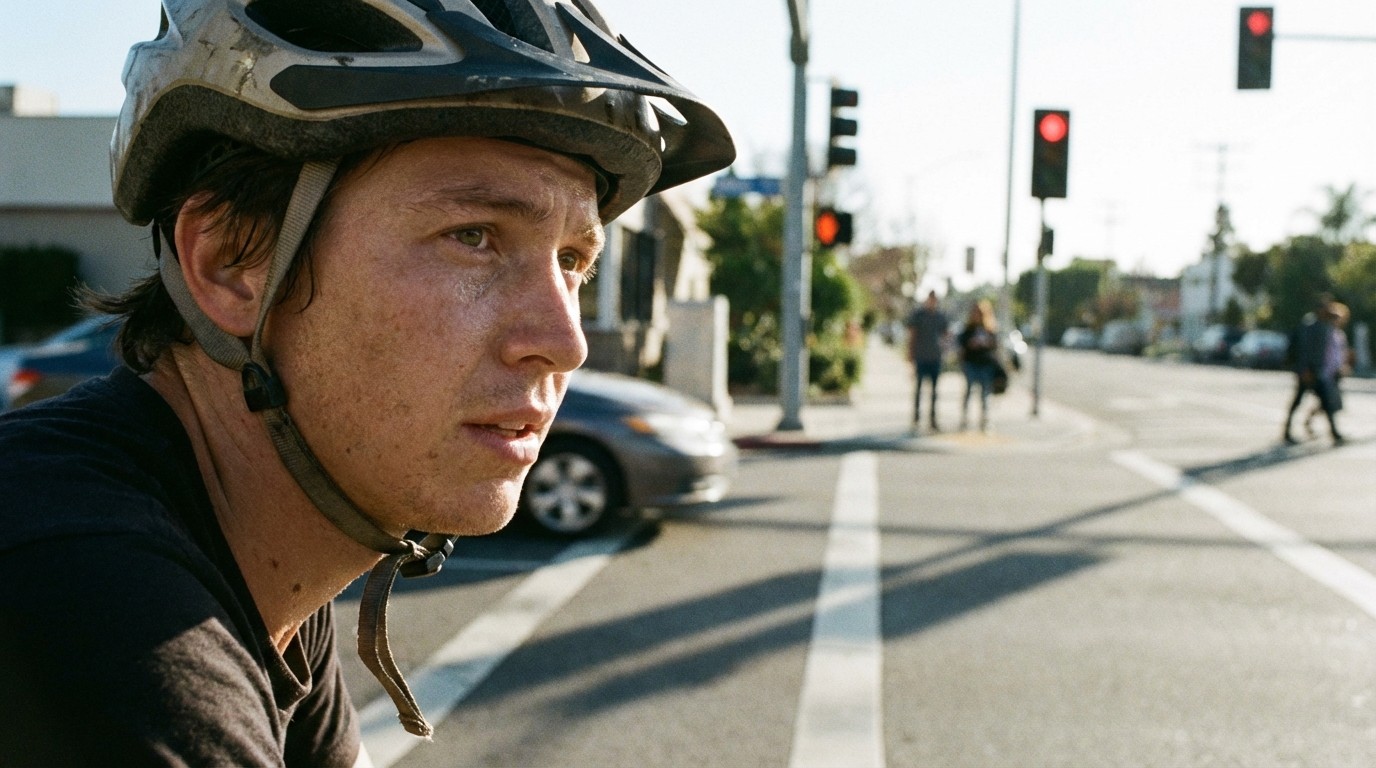
It looked like trash. It looked like a camera test from 2010. It looked like I shot it with a DSLR I didn't know how to use.
And it was the most realistic thing I have ever made.
People watched it and didn't ask "which model is this?"
They asked, "Where did you film this?"
It is a confusing time to be a director.
I am now obsessed with making my footage look worse than I am capable of shooting for real.
The world is drowning in "Perfect."
Every Instagram post is curated. Every movie is CGI’d to death. Every AI video is a glossy, morphing nightmare.
If you want to win attention in the next era, you don't need more resolution. You don't need better lighting.
You need grit.
We are no longer just telling stories; we are architecting atmospheres. And sometimes, the most atmospheric thing you can do is leave the mistake in the final cut.
Stop polishing the diamond.